No products in the cart.
Raising Little Foodies: How to Teach Kids About Food
If you’ve ever struggled with “my child only eats one thing,” this is where the shift begins.
One of the greatest gifts you can give your child is not just feeding them but teaching them about food.
Food is culture. Food is nourishment. Food is memory. And when children understand food early, they grow into confident eaters who are curious, open-minded, and less picky.
If you’ve ever struggled with “my child only eats one thing,” this is where the shift begins, not at the dining table, but long before the food is even cooked.
Start with Exposure, Not Pressure
Many parents make the mistake of focusing only on getting their kids to eat food. But before acceptance comes familiarity.
Children are more likely to try foods they:
- Have seen before
- Have touched
- Have helped prepare
So instead of forcing “just taste it,” start by simply letting them experience food in different forms.
Let them:
- Watch you cook
- Wash vegetables
- Stir (even if it’s messy)
You’re not just making a meal; you’re building a relationship with food.
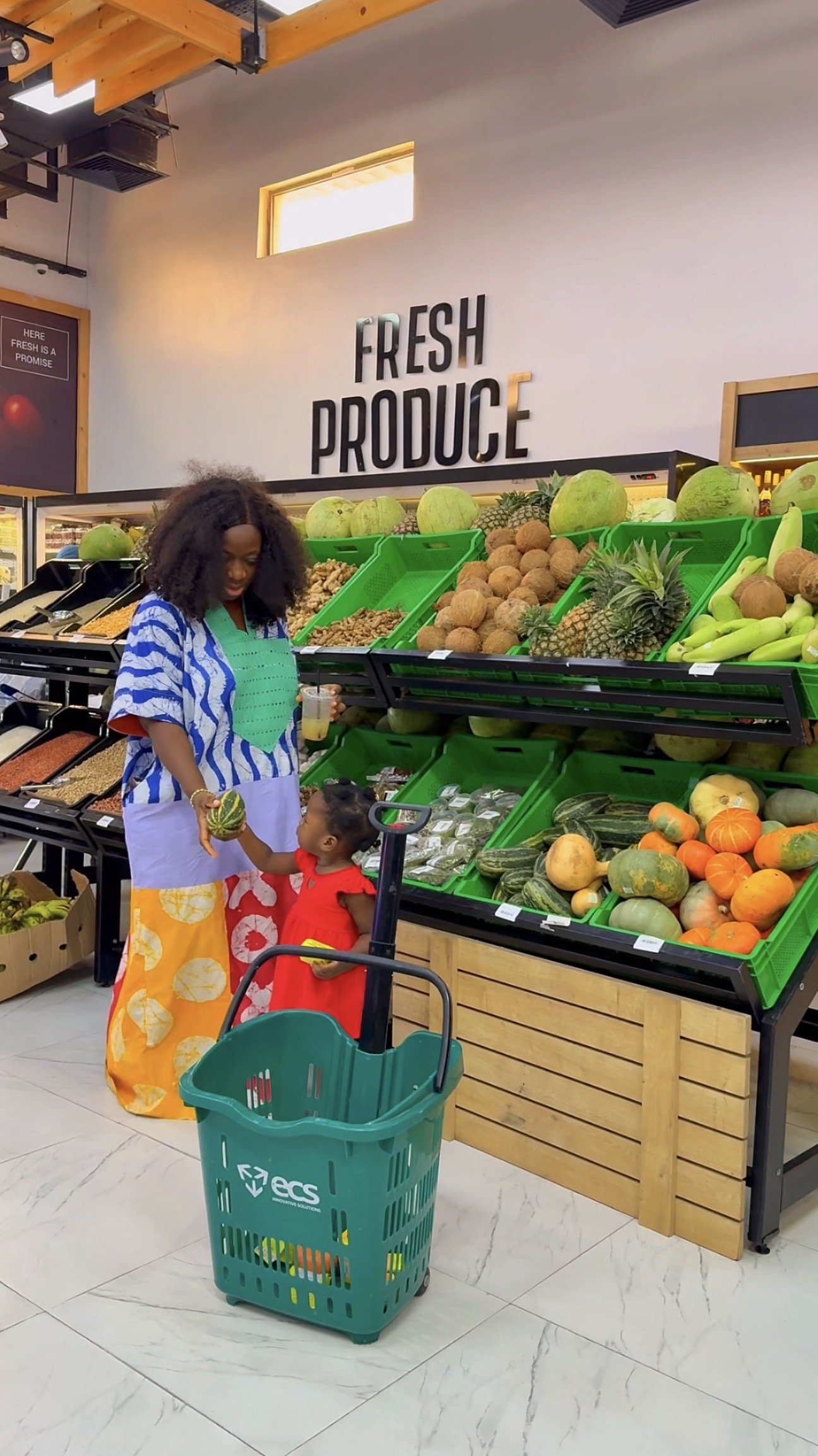
Take Them Food Shopping
This is one of the most powerful (and underrated) tools.
Next time you go to the market, don’t rush. Turn it into a learning experience.
Walk through stalls slowly and show them:
- Bright red tomatoes
- Different types of peppers
- Fresh fish, beans, fruits, and grains
Let them ask questions. Let them touch (when appropriate). Let them choose.
You can say:
“Pick one fruit you’ve never tried before.”
That simple act builds curiosity and ownership.
Whether you’re at your local open market or a supermarket, what matters is exposure to variety.
Bring It Home and Cook Together
This is where the magic happens.
When a child sees something at the market and then watches it transform into a meal, it clicks:
“Oh, this is where food comes from.”
Assign simple tasks based on their age:
- Toddlers: washing vegetables
- Older kids: peeling, mixing, measuring
Even if it slows you down, it’s worth it.
Children are far more likely to eat food they helped prepare. It becomes their meal, not just something placed in front of them.
Talk About Food in a Fun Way
You don’t need a classroom. Your kitchen is enough.
Teach them:
- Names of ingredients
- Colors and textures
- Basic nutrition (“this helps you grow strong,” “this gives you energy”)
Keep it simple and engaging—not overwhelming.
Normalize Variety Early
If a child grows up seeing only a limited range of meals, they will likely stick to that.
But when variety is normal:
- New foods don’t feel “scary”
- Their palate expands naturally
- Mealtimes become easier
Rotate meals. Try different ingredients. Introduce local and international dishes in a simple, kid-friendly way.
Be Patient—This Is a Process
Not every attempt will be successful.
They may:
- Refuse the food
- Play with it
- Take one bite and stop
That’s okay.
Consistency matters more than perfection.
Teaching kids about food is not a one-day lesson; it’s a lifestyle.
It’s in the market trips.
It’s in the messy kitchen moments.
It’s in the conversations over a pot of soup.
And over time, those little moments shape how your child eats for life.
Ready to Make Mealtimes Easier?
If you’re looking for simple, nutritious, and kid-approved that help you introduce variety without stress…
Download the Little Big Bite Cookbook today.
It’s packed with practical meal ideas designed for real families, so you can raise happy, healthy eaters without the daily struggle.
👉 Start your journey to raising a confident little foodie today.